Lines Go Walking In Kindergarten!

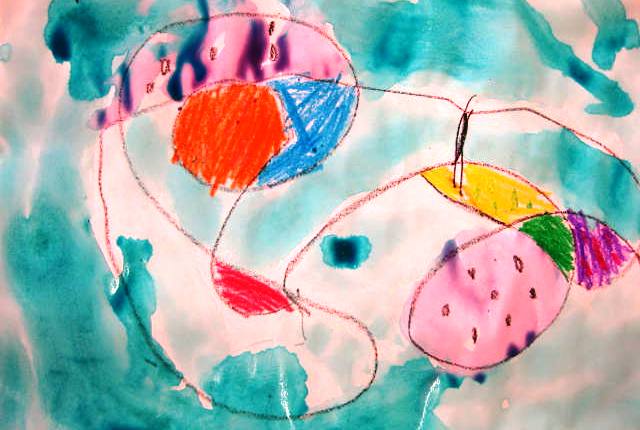
I couldn’t resist not doing my previous lesson “Taking Lines for a Walk’ with my eager Kinder kids. We talked about lines and we looked for them in the classroom. We drew imaginary lines in the air and then they were ready for their art project.

Every child got a 18 x 12 piece of white paper and a black crayon. I explained to them that they would take their crayon on a wonderful adventure all over the paper. They can start on any edge of the paper and curl, twirl, curve, zig-zag all around the paper till you say “stop!” They nned to end their line and go off any edge of the paper. Here you need to watch what everyone is doing and make sure the lines don’t get crowded and messy on the paper. In other words, don’t drag this part of the lesson too long!

Taking a line for a walk

Taking a line for a walk


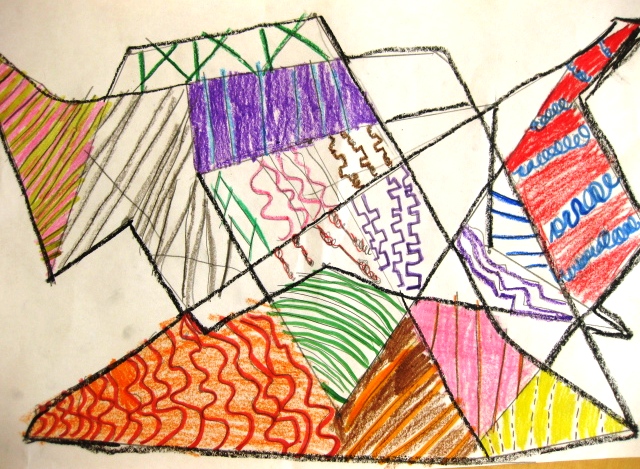
Next, tell your kids to color in some spaces with crayons and to fill in the areas with different lines they can think of such as dots, crosses, hatched lines, etc.

Coloring in some of the spaces

Coloring in some of the spaces

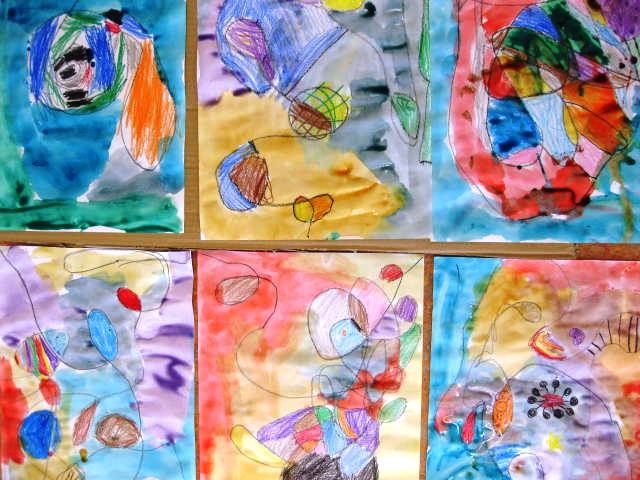
Next and final part of the lesson is to paint the paper with watered down tempera paints (stick to three colors max) or water colors. The result is fantastic and the kids will know everything about lines!
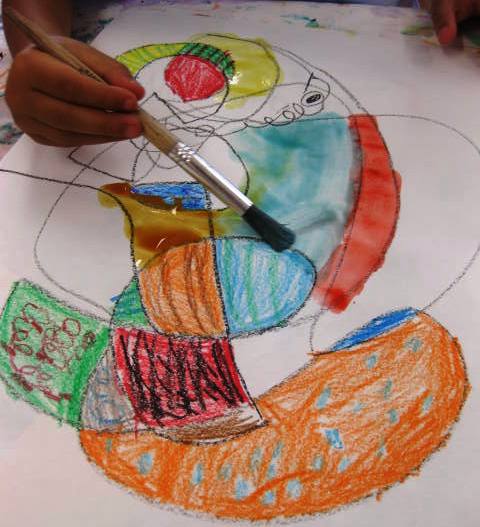
Painting in the rest of the spaces
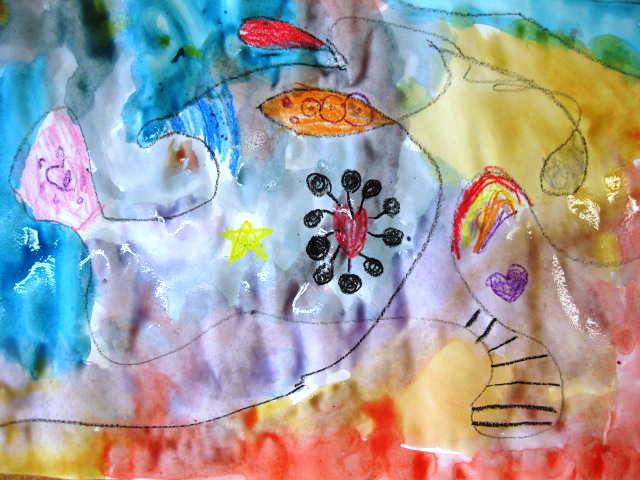
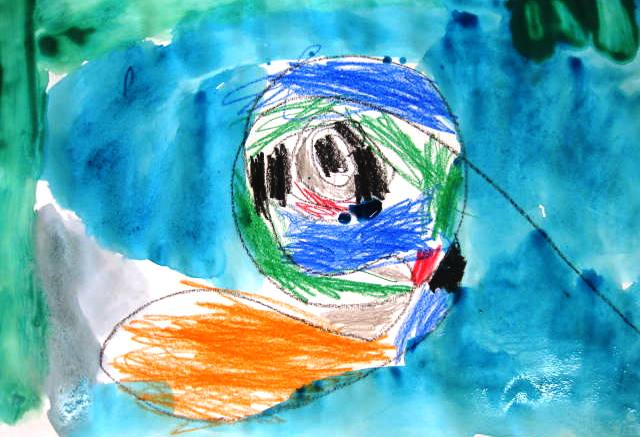
Painting in the rest of the spaces


Psst…

Art Lessons for Kids is on Facebook  and we are GROWING. Hit the  “Like” button and join the conversation. We are ALL waiting for you!! You can also follow my adventures on Twitter (@Ms_Alejandra).

Sign up today for The Happy Whole Teacher messages and get some lovin’ pep talks to keep you happy, balanced, energised and inspired. Click on the image below to join for FREE. I would love to have you in my tribe.

Become whole again and change your life.  Let me show you how.
Become whole again and change your life. Let me show you how.

Lines All Around


Filling in spaces with different kinds of lines

Filling in spaces with different kinds of lines

I have started my next big unit on LINES as part of the Elements of Art Theme. It’s important for kids to have an understanding of these elements which will help them when they go and make their own art. By knowing what the seven elements (line, shape, form, color, value, texture and space) of art are, kids will appreciate that all the art in the world is done with one or more of these elements.

I choose to look at each element seperately so that my students can really get a good grasp of them  and practice using them when making their own art work.

Start by telling your students that they will become a detective. This is a good time to define what a detective is and then tell them they will be a ‘line detective’ This is a hit with younger kids, grades 2 down.  We first brainstorm all the lines we know and I let my kids come up to the smartboard and draw their lines. We them establish that a line is a mark made by a pointed tool such as a pencil, crayon, marker, paintbrush, tree branch, etc. For older kids you can get into more detail about what a line is. It’s important for kids to learn that lines can be vertical, horizontal, straight, diagnal, wavy, zig-zag and curved. Of course add more ‘line’ words to your list but these are essentially the basic lines to know.

Then give each student their sketchbook, a pencil, marker and a crayon and hunt for lines in the classroom. Once they find a line, they record it in their sketchbook by copying it. Once you have found some interesting lines in the classroom, go outside and record more lines.

Kids have a great time finding lines and it makes them aware of all the lines around them. When you come back to class discuss your findings and then show a slide show (that you previously made!) showing lines in nature such as leaves, buildings, birds,  architecture, water ripple etc. Have your kids point to the lines they see and use the correct word: horizontal, curvy, zig-zag, vertical, etc.

Sign up today for The Happy Whole Teacher messages and get some lovin’ pep talks to keep you happy, balanced, energised and inspired. Click on the image below to join for FREE. I would love to have you in my tribe.

Become whole again and change your life.  Let me show you how.
Become whole again and change your life. Let me show you how.

Tints and Shades

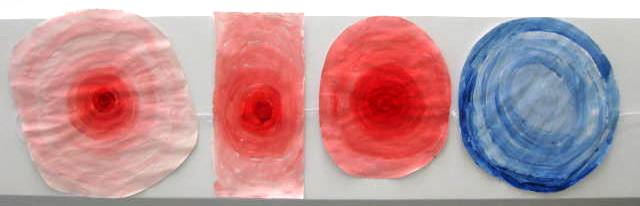
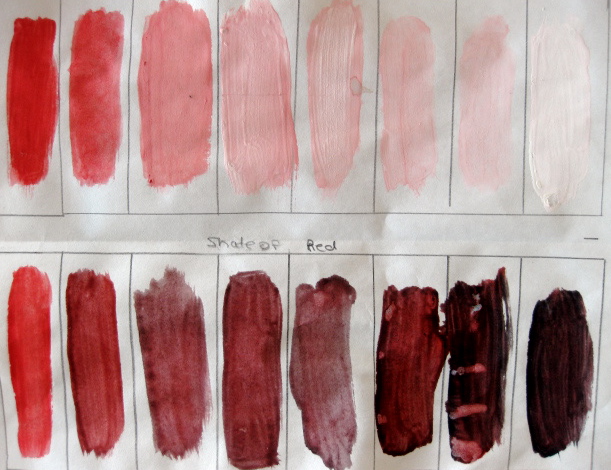
Sample of tints and shades of red

Sample of tints and shades of red

I love teaching my students how to make tints and shades because it gives them the freedom to make their own colors and and they are always amazed how many colors they can make by using black or white and another color.

Since I am laying a foundation for color mixing the rule in my class is they must make a tint and shade of a primary color or if they want a secondary color they must mix it first. This reinforces mixing secondary colors.

Begin by explaining or reviewing what a tint and shade is. You can show a slideshow of art work that show tints or shades to show your kids what they are capable of doing. Introduce the word momochromatic colors to your older students.

Start by letting your students choose one hue to work with. On their plastic plate they should place a spoonful of white, black and 2 amounts of a the hue of their choice.

Grade three were given a white piece of paper and they cut out two big shapes. They were to show their pure hue gradually get lighter (tint) on one shape and gradullay get darker (shade) on the other shape.  They could either start in the middle and work out or start on the outer edge of their shape and work in.

This is an example of a tint

This is an example of a tint

This is an example of a shade

This is an example of a shade

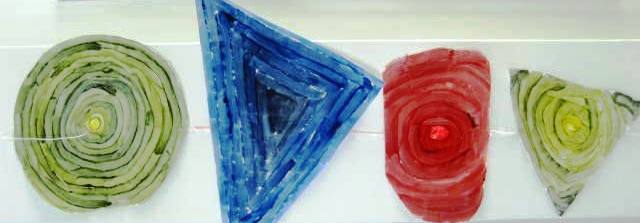
Grade five practised making tints and shades on a piece of paper and then drew a cityscape with curved buildings, to make their art work a little more interesting. Their challenge was to fill in all the white space of their drawing with tints and shades of the color they chose. If they chose a secondary color (orange, green or purple) they had to first mix it with the primary colors. This was a great project for them to because the final result is stunning and they really grasped the idea of tints and shades.

Filling in the design with tints and shades

Filling in the design with tints and shades

Here are some examples of fabulous artwork done by making a tint or a shade of a color.

If you know anyone that might find this post useful, I’d really love it if you share this with your fans or followers today. All it takes is a simple click on the ‘like’  and share buttons below. Thanks!

PS: Did you know Art Lessons for Kids has a Facebook page and you can follow my adventures on Twitter (@Ms_Alejandra)? Click on over!

Sign up today for The Happy Whole Teacher messages and get some lovin’ pep talks to keep you happy, balanced, energised and inspired. Click on the image below to join for FREE. I would love to have you in my tribe.

Become whole again and change your life.  Let me show you how.
Become whole again and change your life. Let me show you how.